|
1902 Encyclopedia > Tides > [Dynamical Theory of Tides] Semi-Diurnal Tide, with Variable Depth Tides
|
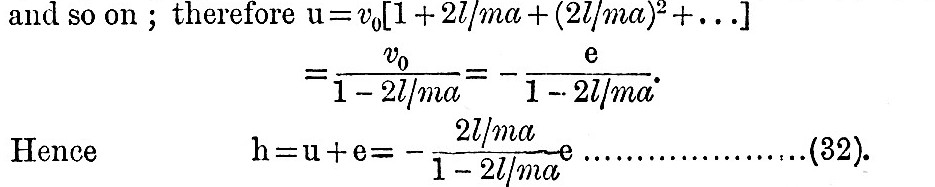
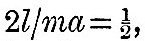 the height of tide is equal to the equilibrium height; but it is inverted, giving low water where the equilibrium theory gives high water. In the case of the earth m = 1/289, and therefore this relation is satisfied if l = a/1156. Hence in a sea 3000 fathoms deep at the equator, and shallowing to the poles, we have inverted semi-diurnal tides of the equilibrium height.
About this Encyclopedia • Top Contributors • All Contributors • Today in History Sitemaps • Terms of Use • Privacy • Contact Us © 2005-25 1902 Encyclopedia. All Rights Reserved. This website is the free online Encyclopedia Britannica (9th Edition and 10th Edition) with added expert translations and commentaries |